
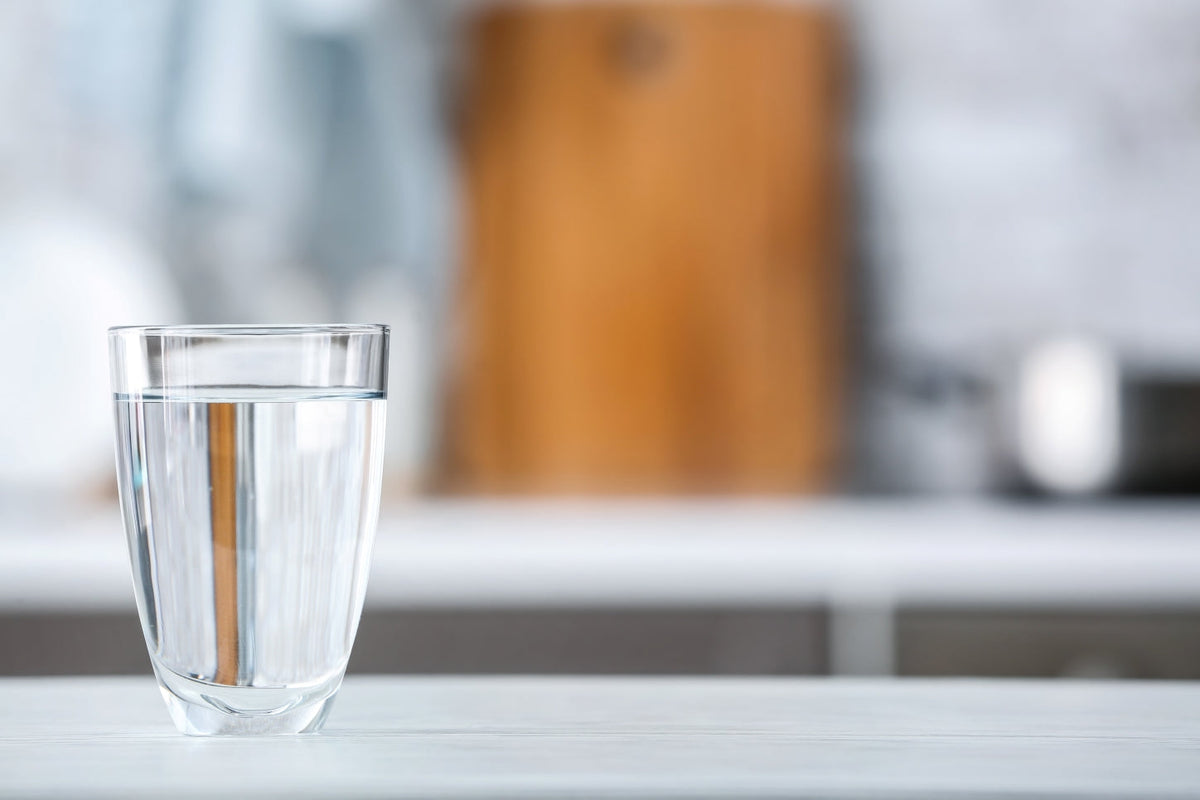

We love drinking water at Revomax. The easiest way to access it? At home from a tap or the refrigerator, or even a water cooler. But the taste can vary, right? Or maybe it comes out from the source very slowly. Way. Too. Slow.
What are your options?
You can start by picking the right water filter for your home. Different problems call for different solutions. Start with the concern you want to address, then choose a filter that can do the job.
Here are seven questions to ask yourself to help narrow your options and find the right water filter for you.
Question #1: What’s in your water?
What to do: Get information! Public tap water is treated and regulated under federal and state drinking-water requirements. That does not guarantee that every tap is free of problems: household plumbing can introduce lead, and local contamination or service disruptions can occur, especially after a heavy rain or flood.
Start here: Your local utility should have a Consumer Confidence Report (CCR) provided annually by July 1 that describes the quality of the water it supplies.
Taste is not a safety test. Water that tastes good can contain harmful chemicals or bacteria, while an unpleasant taste does not necessarily mean the water is unsafe. If you suspect contamination, test your water. You can ask your utility or health department about testing through a state-certified laboratory. Also, keep in mind, the CCR cannot rule out a problem in your own plumbing or if you have a private well.
Look for a filter certified to reduce the contaminants you want to remove from your water. The label may list an NSF/ANSI standard number, such as 42 for taste and odor or 53 for health-related contaminants. 
Question #2: Does your water taste or smell like chlorine?
What to do: According to the U.S. Centers for Disease Control and Prevention, if you are looking only to improve the taste and smell of your water, and you have performed the other safety verifications above, check out filters that are certified to NSF/ANSI 42 specifically for chlorine taste and odor reduction.
Start here: An activated-carbon pitcher is inexpensive and needs no installation, making it useful for renters or small households. An existing refrigerator filter offers chilled water without adding another appliance. A faucet-mounted filter provides water directly at the sink.
The tradeoff: Pitchers need refilling, refrigerator dispensers can be slow, and faucet filters do not fit every faucet. These filters are not automatically certified to reduce lead or kill bacteria. If your utility uses chloramine, check for a specific chloramine-reduction claim.

Question #3: Are you concerned about lead in your water?
What to do: If you are concerned your home or service line has lead, you can get your water tested by a state certified lab. If you have any concerns use a pitcher or a faucet-mounted, refrigerator or under-sink filter specifically certified for lead reduction, typically under NSF/ANSI 53. Reverse osmosis can also reduce lead, but it is not the only option.
Start here: Because you cannot see, taste, or smell dissolved lead in water, a water test is the only way to confirm if lead is leaching from your pipes, solder, or fixtures. Ask your public utility about your service line and arrange testing at your tap.
The tradeoff: A certified pitcher or faucet filter can cost less and need less installation than a reverse osmosis system, but capacity may be limited. An under-sink system is more convenient for larger amounts of drinking and cooking water. Use cold water and follow the cartridge replacement schedule; boiling does not remove lead.
Question #4: Do you have hard water?
What to do: If you live in an area with hard water, which contains higher amounts of dissolved minerals, a water softener certified to NSF/ANSI 44 could be helpful. This removes calcium and magnesium, which helps prevent chalky white scale from clogging coffee makers, electric kettles, and pitchers.
Some people feel that soft water improves the taste of coffee or tea; others think you need the minerals found in hard water for the optimal taste.
Start here: Check your utility’s annual CCR for your water’s hardness, often listed in grains per gallon (GPG) or milligrams per liter (mg/L). If hardness isn’t listed, contact your utility or use a home hardness test kit. A softener’s grain capacity tells you how much hardness it can remove before it needs to regenerate, or recharge. Choose a capacity based on your water’s hardness and how much water your household uses.
The tradeoff: A water softener reduces hardness but does not make water safe to drink or remove every contaminant. You may still need a separate filter for a specific water-quality concern. Salt-based softeners also need regular salt refills and use water to recharge.
Softeners that use sodium add some sodium to your water. If you follow a sodium-restricted diet, ask your clinician whether softened drinking water is appropriate for you. Some people also find that removing calcium and magnesium, beneficial dietary minerals, and adding sodium, makes the drinking water taste flat or slightly salty.

Question #5: Is filling your bottle quickly important?
What to do: If slow filling is a recurring frustration, consider an under-sink carbon filter with a rated flow that suits your routine and the contaminant certifications you need.
Start here: Sometimes a slow trickle can mean it is time for a filter change. For the faster filling, consider a direct-connect inline filter that connects to your cold-water line under the kitchen sink and delivers filtered water from your primary faucet without needing a separate, slow-pouring dispenser tap. They can have flow rates of 1.5 to 2 gallons per minute.
The tradeoff: Under-sink systems keep equipment off the counter and can make frequent filling easier, but need cabinet space and installation. Some do not necessarily chill water. Reverse osmosis systems are not automatically faster: compare dispensing flow, storage-tank capacity or tankless output before buying.
Question #6: Is a refrigerator filter good enough, or do I need something more?
What to do: If your concern is chlorine taste, a certified refrigerator filter may be enough. If it is lead, check whether your exact cartridge is certified for lead reduction. If testing identifies other contaminants that the cartridge does not address, an appropriately certified reverse osmosis system may be the better fit.
Start here: The convenience of having cold water come from the refrigerator is nice! Before replacing your filter, find the official manufacturer sticker inside the refrigerator door or walls, locate the model number and buy a filter specifically made for your refrigerator.
The tradeoff: All filters need to be replaced. Many manufacturers, including Whirlpool, recommend replacement every six months or sooner as needed. Follow your exact model’s time and gallon limits, whichever comes first. Ice-making counts toward use, too.
Change your filter like you change oil in a car—once the usage or time limit is reached, whichever comes first. Follow the manufacturer’s replacement schedule, even if the filter has seen little use.
Question #7: What is the ROI on a home water filter?
What to do: Once you have a filter that fits your needs, drinking more water can come more easily and help you meet your health goals—which is priceless at the end of the day, right? Not to mention how much easier it is to skip plastic bottles and go with reusable water bottles when you are on-the-go, which means less plastic in landfills.
Start here: When you are on-the-go, having a home water filter can make filling a reusable bottle at home simple. The Revomax Classic bottle opens with one hand without twisting and keeps drinks cold for up to 36 hours. Fill it before heading out to take hydration on the road in a way that is good for you and good for the planet.
The tradeoff: We think anything that will get you to drink more water successfully is a win in our book. 
Frequently asked questions about home water filters
What is the best home water filter?
The best filter is one certified to reduce the specific contaminants or aesthetic issues in your water, sized for your household and maintained according to the manufacturer’s instructions. No single filter is best for every home.
Is filtered water better than tap water?
Not necessarily. Public tap water is regulated and may already meet all applicable safety standards. A filter may improve taste or reduce a specific contaminant, but its value depends on local water quality, household plumbing and the filter’s verified capabilities.
How often should I replace a water filter?
Follow the manufacturer’s replacement schedule, which may be based on time, gallons treated or both. Water quality and household usage can shorten a filter’s life. Reduced flow, taste changes or an indicator light may signal that replacement is due, but do not wait for a noticeable change if the scheduled replacement date arrives first.
Editorial note: This article provides general consumer information and is not a substitute for local public health advice or certified water testing. During an advisory or known contamination event, follow instructions from the water utility or health department.


How to Prevent and Reduce Jet Lag on Long-Haul Flights: 5 Science-Backed Tips